Wild Camping on the Lycian Way: What You Need to Know
Not everyone wants to sleep in a pension every night. For some hikers, the whole point is waking up to the sound of the sea, stars overhead, no other humans in sight. The Lycian Way makes that possible - but it takes preparation and common sense.
Is Wild Camping Legal?
Turkey does not have the same freedom to roam laws found in Scandinavian countries. In practice, on a trail like the Lycian Way, wild camping in remote areas is widely done and rarely causes problems. The key is discretion: find a clearly wild spot, leave no trace, and pack up early.
Where to Camp
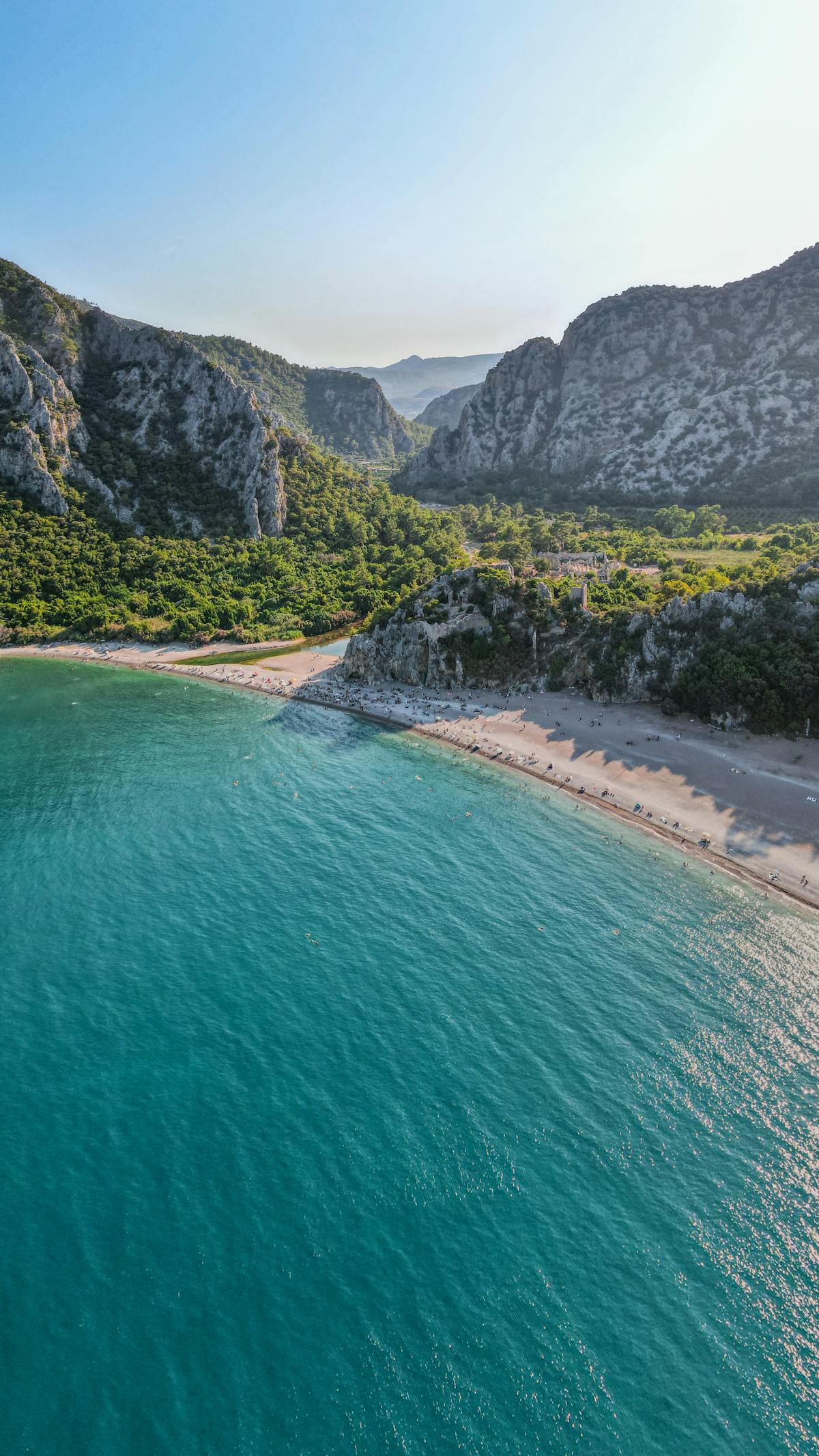
The best camping is on the more remote coastal sections - particularly between Ucagiz and Bogazcik, and around Cape Gelidonya. These stretches have very few inhabitants and some of the most beautiful scenery on the route.
Gear That Actually Matters
Tent: Go freestanding. Much of the terrain is limestone - you cannot drive pegs into rock.
Sleeping bag: Rated to around 10C is enough for spring and autumn.
Water: Critical. Some remote sections have no reliable water source for many kilometres. A squeeze filter lets you use springs or whatever you find.
Stove: Optional but worth it for hot food and coffee after a long day.
The Realities
Wild camping saves money and adds freedom, but also adds 4-5 kilograms to your pack. Many experienced Lycian Way hikers mix approaches: camping on remote sections, staying in villages where they exist. This is the smartest strategy.
Do not make open fires in the dry season. The scrubland burns fast and the consequences are serious.
Leave No Trace
Pack out everything you bring in. The Lycian Way is still relatively wild. Keep it that way.
Enjoyed this guide?
Follow @walk.lycianway on Instagram for more trail tips, route flyovers and hiker stories.
Follow on Instagram