What to Eat on the Lycian Way
If you come to hike the Lycian Way expecting to live off energy bars and dehydrated meals, you are in for a pleasant surprise. One of the most underrated parts of this trail is the food culture you will encounter along the way. Unlike many long-distance hikes, the Lycian Way regularly passes through villages where traditional Turkish food is not just available - but often freshly made, local, and incredibly satisfying.
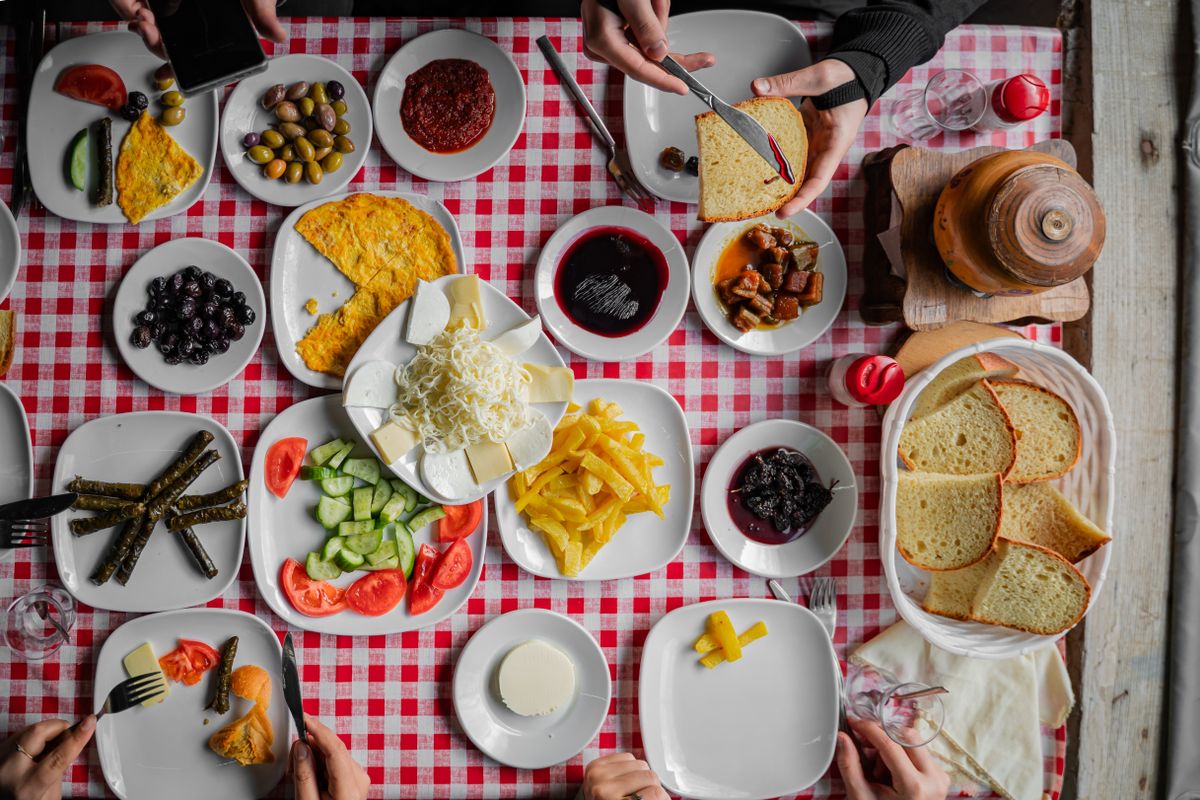
Turkish Breakfast (Kahvalti): A Daily Ritual
If you stay in village pensions, you will quickly get familiar with the Turkish breakfast. It is not a quick bite - it is a spread. Typically a table full of small plates: fresh tomatoes, cucumbers, olives, local cheeses, boiled or fried eggs, bread, honey, jam, and sometimes tahini with grape molasses (tahin-pekmez).
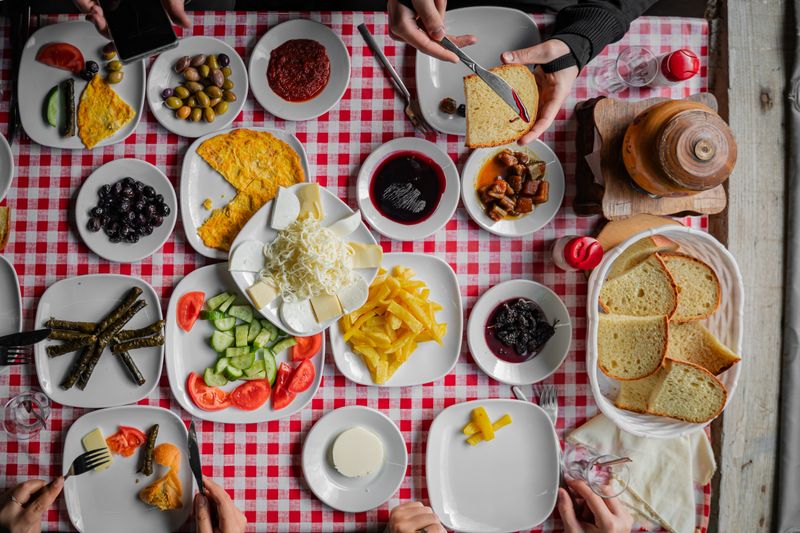
It is simple food, but very functional for hiking: a mix of healthy fats, protein, and carbs that keeps you going for hours. Add endless glasses of tea, and you have got one of the most enjoyable starts to a hiking day.
Gozleme: The Trail Classic
If there is one food that defines the Lycian Way experience, it is gozleme. You will find it in small village cafes, roadside setups, or even in someone's garden with a simple griddle.
Gozleme is a thin, hand-rolled flatbread filled with ingredients like cheese, spinach, potatoes, or minced meat, then cooked on a hot plate. It is fresh, hot, and made to order.
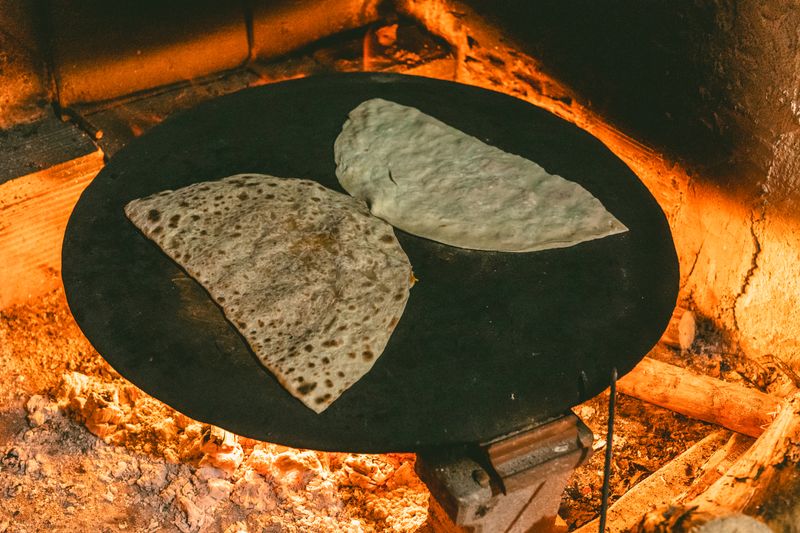
You will probably end up eating it more often than you expect - and not get bored of it.
Pide: The Turkish Trail Pizza
Another common and very welcome sight is pide. Think of it as a boat-shaped flatbread topped with cheese, minced meat, vegetables, or egg, then baked in a stone oven.

Pide is more of a sit-down meal compared to gozleme, and portions are generous. If you hit a village around lunch or dinner time, this is one of the best calorie refuels you can get.
Soups and Home Cooking
In many small villages, especially outside peak tourist zones, you will find simple home-style cooking. Lentil soup (mercimek corbasi) is the most common - warm, hearty, and surprisingly filling.
You might also come across stews, stuffed vegetables, or beans cooked fresh that day. Do not expect restaurant polish - expect something much more authentic.
Ayran: The Hiker's Drink
You will see ayran everywhere. It is a cold yogurt-based drink mixed with water and a bit of salt. On a hot hiking day, it is incredibly refreshing and helps with hydration. Many hikers end up craving it after a few days.

Tea Culture (Cay): More Than Just a Drink
In Turkey, offering tea is a gesture of hospitality. Along the Lycian Way, that often extends to hikers. Whether you stop at a small cafe or simply pass through a village, do not be surprised if you are invited to sit down for a glass of cay.
It is not just about the drink - it is a social moment. A chance to rest, connect with locals, and feel the rhythm of village life.

Is It Vegetarian-Friendly?
Short answer: yes, quite. Turkish village cuisine naturally includes many vegetarian options. Cheese gozleme, spinach fillings, lentil soup, beans, rice, salads, and breakfast spreads all work well for vegetarians. Vegan hikers will need to be more mindful - dairy is very common - but it is still manageable.
Final Thought
Food on the Lycian Way is not something you have to over-plan. The trail feeds you. After a long, sun-exposed day, sitting down to a hot gozleme, a glass of ayran, and a cup of tea might be just as memorable as the views.
Enjoyed this guide?
Follow @walk.lycianway on Instagram for more trail tips, route flyovers and hiker stories.
Follow on Instagram